 Image 1 of 1
Q&A
What is the culture of the residency program? (resident clinics, teaching philosophy)
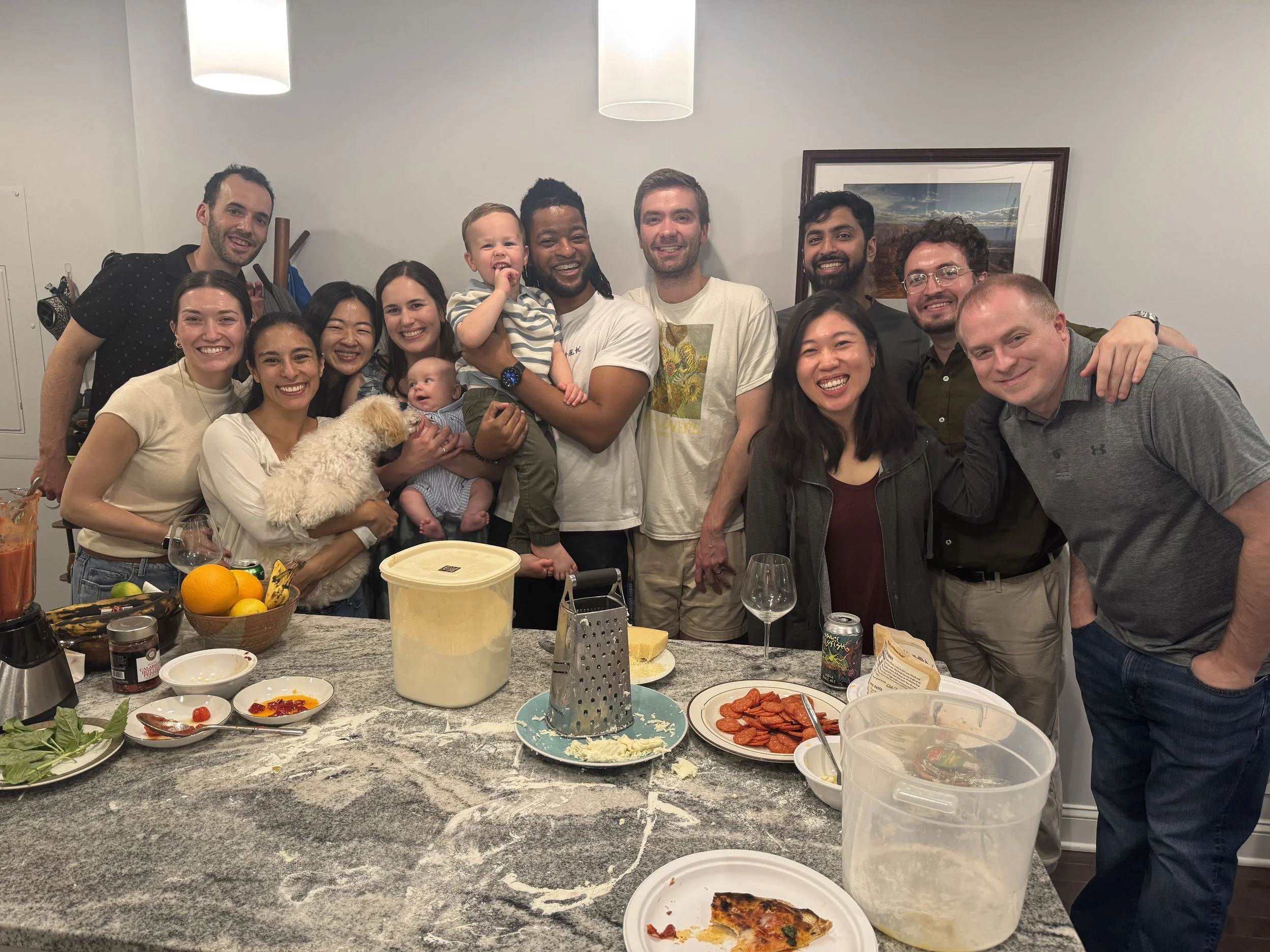
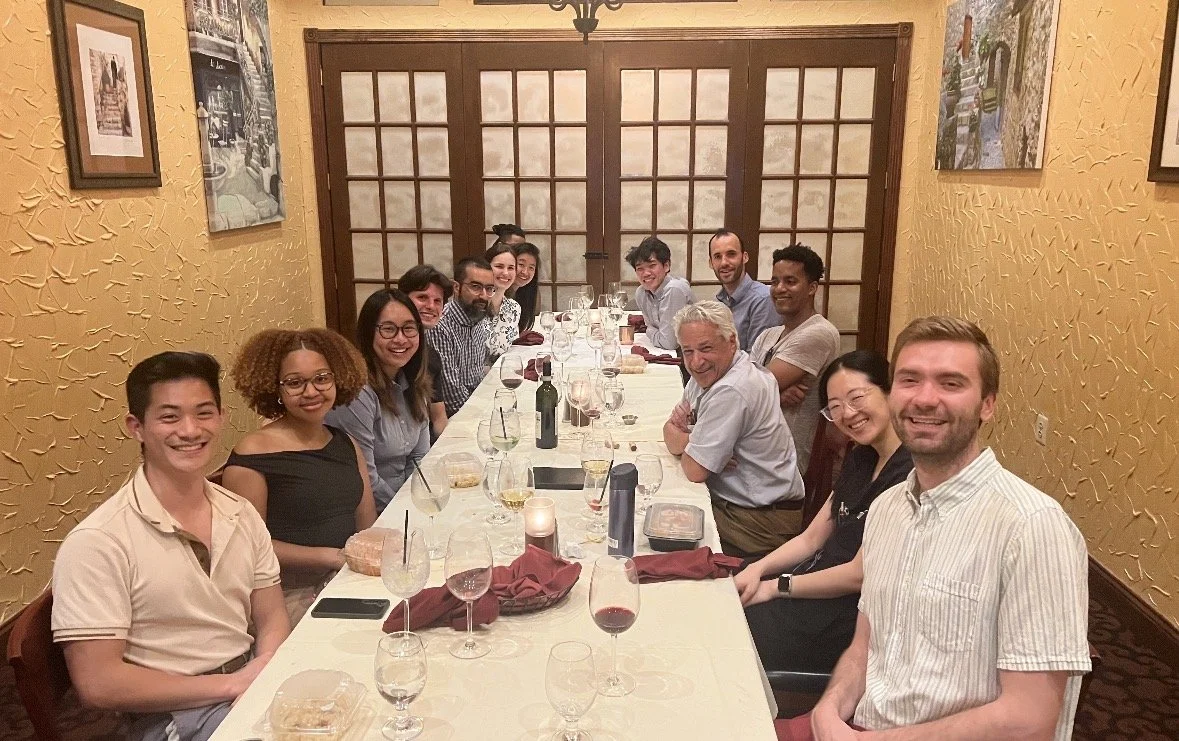
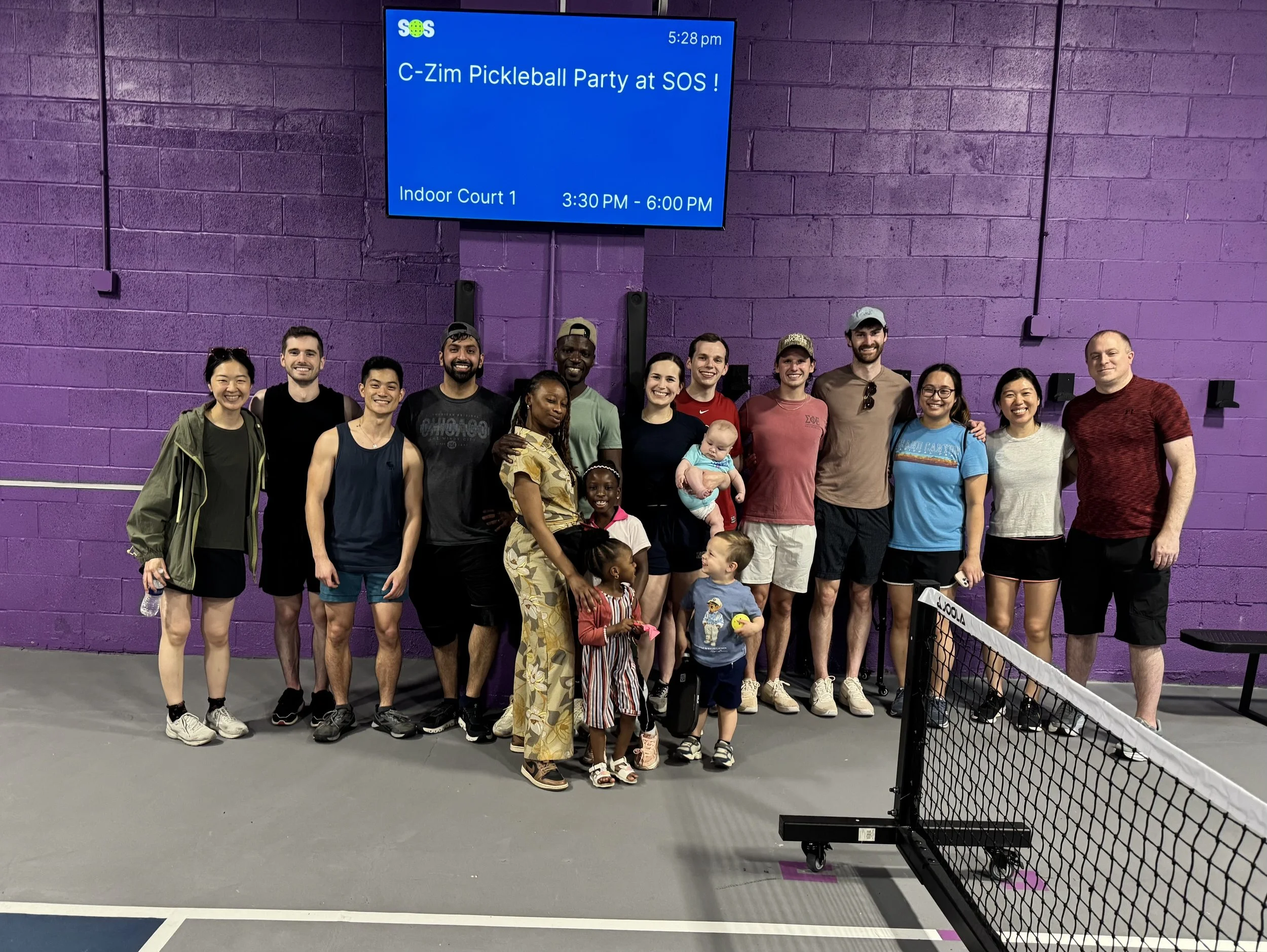
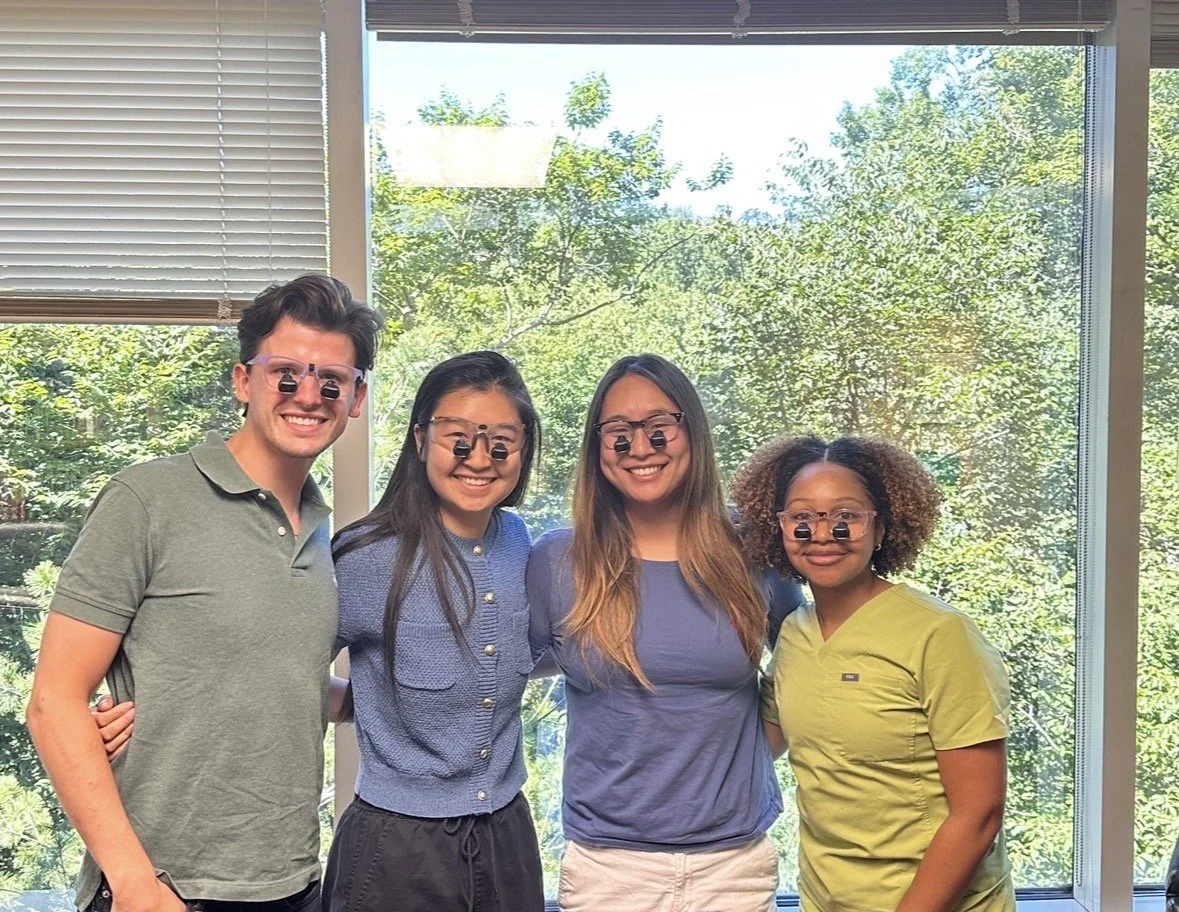
Our program is a small, collegial department where residents work closely with faculty. The residents are a tight-knit group who support each other in clinic, in the OR, and outside the hospital.
Residents staff two resident clinics: the University of Maryland Midtown campus and the Baltimore VA. The Midtown clinic is staffed by a transitional-year (TY) resident, a PGY-2, and a PGY-3. Cataracts generated from the comprehensive clinic there go to the PGY-3 on that rotation. The VA is staffed primarily by PGY-2, PGY-3, and PGY-4 residents, and PGY-4s typically spend 6 months of the year there. The VA is also where most of our senior residents' cataract cases take place.
We believe residents learn best by earning responsibility gradually, and in our small department faculty know each resident well enough to give them more of each case as they're ready. Structured didactics, required research, and close mentorship support that hands-on training across our sites.
How does resident surgical responsibility progress over the course of residency?
PGY-2 residents typically serve as primary surgeons on strabismus and oculoplastics cases. Residents begin primary cataract surgery as PGY-3s during the Midtown rotation and perform the majority of their cataract cases as PGY-4s during their VA rotations. Throughout training, faculty give residents increasing surgical responsibility as they progress.
What does the schedule look like for residents?
PGY-2 and PGY-3 residents take primary call every 8 weeks. PGY-4 residents serve as backup surgical call every 4 weeks and also take primary call at Greater Baltimore Medical Center (GBMC).
Didactics are organized by subspecialty, with each subspecialty holding its own dedicated block of teaching time. Grand Rounds are held every Thursday from 7:15 to 8:15 AM. In the lead-up to the OKAP exam, the program also holds dedicated OKAP review lectures.
How many sites do residents train at during residency? What hospitals are involved?
Residents train at five main sites: the Baltimore VA, the University of Maryland Midtown Campus, the University of Maryland Downtown campus, Greater Baltimore Medical Center (GBMC), and Redwood Eye Clinic. Residents also rotate through several satellite locations.
Is there an emphasis on research or dedicated time for research?
Residents are required to conduct research during their PGY-3 and PGY-4 years and present their findings each June at the Richard D. Richards Symposium. The program also supports residents who wish to present their work at national meetings.
What percentage of graduates go on to complete fellowships?
It varies by class
What does your program look for in an applicant? Advice for applicants for your program?
We look for applicants who are hardworking, collegial team players with a genuine interest in ophthalmology.
Resident Life at UMSOM